PART 1 — THE LIFE I BUILT FOR HIM
I didn’t scream when his hand struck me.
Chapter 1
PART 1 — THE LIFE I BUILT FOR HIM
I didn’t scream when his hand struck me.
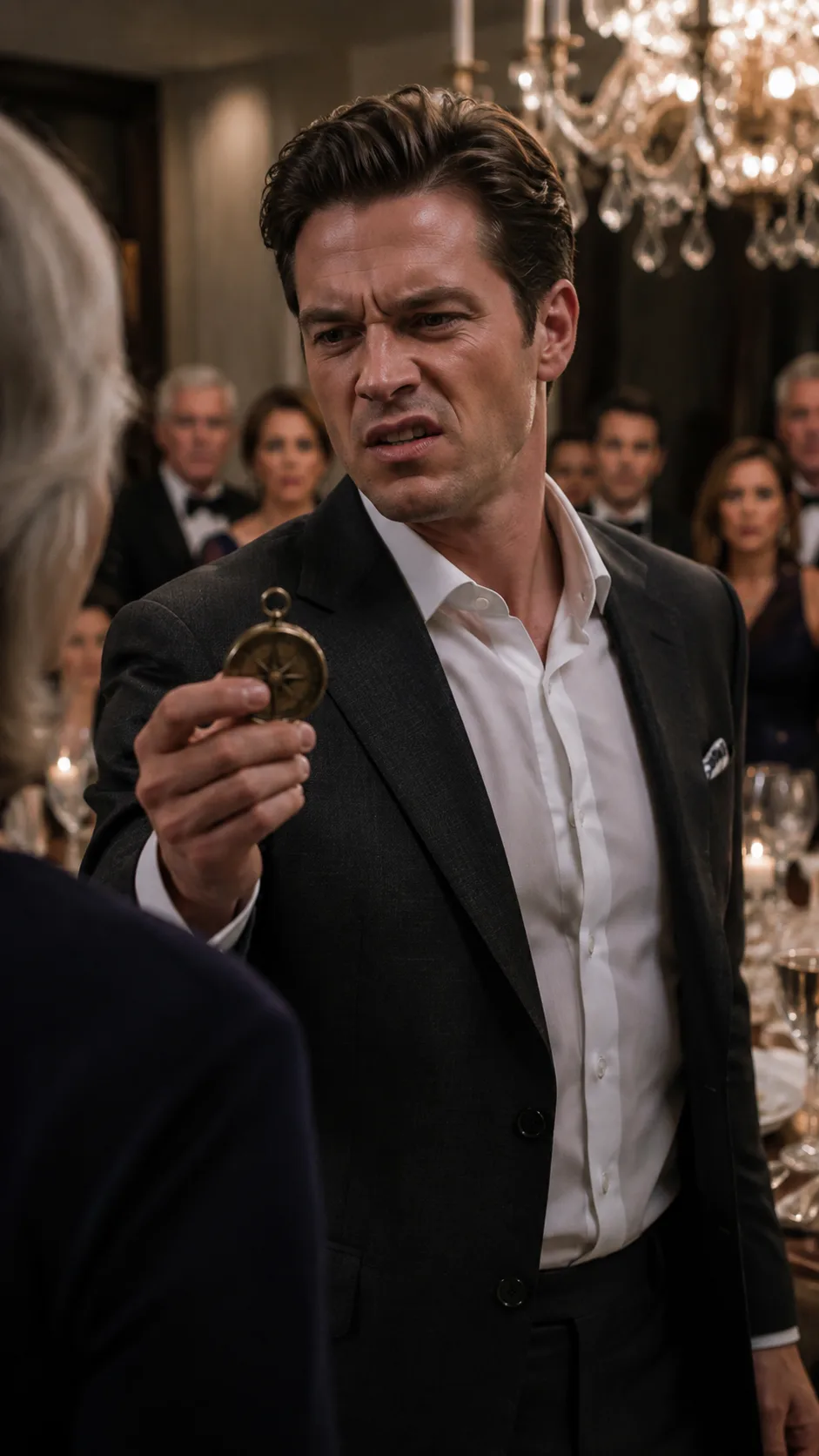
That’s the part people always expect—the outrage, the noise, the kind of dramatic collapse that makes a scene feel justified. But there was none of that. Just the sound. Skin against skin. Again and again. And me, standing there, counting—not out loud, not for him, but for myself, like someone keeping track of the exact moment a life quietly breaks in half.
One.
Two.
Three.
By the time he reached ten, the room had gone very still, the kind of silence that isn’t peaceful but complicit. Glasses paused midair, conversations dissolved into nothing, and yet no one moved. Not a single person stepped forward. That’s something you learn when you’ve lived long enough: people don’t intervene when power is on display—they study it.
At fifteen, I tasted blood.
At twenty, my ears rang so loudly I could barely hear the faint, amused exhale from the woman sitting on the cream-colored
couch across from us. His wife—Lydia. She didn’t flinch. Didn’t even pretend to be uncomfortable. She watched like it was theater.
At twenty-five, something inside me stopped resisting—not physically, I hadn’t been resisting from the start—but emotionally. A kind of quiet detachment slid into place, like a door closing somewhere deep inside my chest.
And at thirty, when his hand finally dropped, when his breath came out ragged and victorious, I realized something with a clarity so sharp it almost felt like relief:
I was no longer his mother in that moment.
I was simply the woman he had chosen to destroy.
My name is Rosalind Mercer. I’m sixty-eight years old, and I built everything that boy thought he owned.
But I didn’t always have power. Not even close.
There was a time when I was just a widow standing in a hospital hallway that smelled like antiseptic and loss,
clutching a bill I couldn’t afford and a child who didn’t understand why his father wasn’t coming home. My husband, Thomas, had dreams bigger than our means. He used to carry that old brass compass everywhere—not because he traveled much, but because he believed direction mattered more than distance. He said it reminded him that even if you were lost, you weren’t without a path.
After he died, I didn’t have the luxury of grief the way other people do. I had debt. I had a two-year-old son. I had a world that didn’t care how broken I felt.
So I learned not to break.
I entered an industry that didn’t want me—construction, large-scale commercial projects, contracts negotiated in rooms filled with men who thought I was there to pour coffee, not concrete. I remember the first time someone laughed when I introduced myself as a project lead. I also
remember how that same man shook my hand years later when I bought out his company.
Nothing was given. Not respect, not opportunity, not even basic decency. I earned everything in increments so small they almost felt meaningless at the time—one contract, one site, one sleepless night after another. I bled into that work. Literally, sometimes. There were days my hands cracked open from cold and strain, and I wrapped them in cloth just to keep going.
And all of it—every single sacrifice—was for my son, Adrian.
I didn’t want him to struggle the way I had. I wanted him to walk into rooms and be welcomed. I wanted him to have ease where I had resistance, comfort where I had survival.
What I didn’t realize, what I couldn’t see back then, was that in protecting him from hardship, I might have also shielded him from becoming someone worthy of what he was given.
By the time he turned thirty, Adrian lived in a house that looked like it belonged in a magazine spread—wide glass panels, polished stone floors, a view that stretched across the hills like something unreal. It was the kind of place people pointed at and said, “That’s success.”
I bought that house in cash.
I told him it was his.
What I never told him was that legally, it never left my control.
Not because I didn’t trust him—not at first—but because something in me, something quiet and instinctive, wanted to see what he would become if he believed he had everything.
The answer revealed itself slowly.
First, it was the small things. Missed calls. Short replies. A shift in how he addressed me—less warmth, more obligation. Then came the boundaries that felt less like respect and more like distance.
“Let us know before you come by.”
“Maybe next week, we’re busy.”
“You wouldn’t really enjoy these events.”
Lydia reinforced it all, gently at first, then with a kind of polished dismissiveness that masked itself as sophistication. She had a way of smiling while making you feel small, like she was doing you a favor by tolerating your presence.
At gatherings, they introduced me as if I were a footnote.
“This is Rosalind—she did well in real estate.”
I always smiled when I heard that.
Because luck had nothing to do with it.
Chapter complete
You have reached the end of this chapter.
Continue reading
A few more worlds to get lost in after this chapter.




