come. I stood in my apartment that afternoon with Lily’s blue dress hanging from the closet door, telling myself no. No, we would stay home. We would order pizza, watch a movie, and call Grandpa the next day. We would not spend three hours in Marcus’s glass palace listening to my parents brag about a son who had become rich by rewriting everyone else’s help as his own discipline. We would not let Lily feel the cold draft of being tolerated.
Then Lily came out of her room holding the handmade birthday card she had spent an hour decorating with balloons, glitter glue, and a drawing of my father that looked mostly like a potato in glasses. She had written Happy birthday, Grandpa in purple marker, then added three crooked stars because she said “old people like classic things.”
“Mommy, Grandpa will love it,” she said.
So I went. Because mothers sometimes make terrible decisions in the name of hope. Because some part of me, even after thirty-six years in that family, still believed that if I showed up politely enough, dressed Lily sweetly enough, brought the right bottle of wine, smiled at the right moments, and avoided every known trigger, maybe the evening could pass without blood. I knew better. I went anyway.
Marcus lived in Westlake, in one of those houses that looked less like a home and more like a place where a magazine might photograph a bowl of pears. Glass walls. Marble counters. A staircase with floating steps. Everything beige, white, gold, and dangerous to touch. Even the front walkway looked judgmental. A valet actually looked confused by my ten-year-old Honda, his eyes flicking from the cracked rear bumper to the line of luxury SUVs along the curved drive.
Lily noticed. Of course she did. Children always notice when adults think they are invisible.
“Is our car okay?” she whispered as I helped her out.
“Our car got us here,” I said. “That makes it excellent.”
She smiled, but her fingers tightened around the envelope holding Grandpa’s card.
Marcus was in the foyer greeting people with a drink in his hand, laughing too loudly, making sure every guest noticed the house, the art, the wine, the catered spread. My parents beamed beside him like shareholders at a successful launch. My father wore a navy blazer and the pleased expression of a man who believed his oldest son’s wealth was proof of his own parenting. My mother had dressed in cream silk, pearls at her throat, smiling at every arrival as if she had personally curated Marcus’s success.
“Nora,” Marcus said when he saw me.
Not warm. Not rude. Just enough.
Then he bent toward Lily. “Hey, kiddo.”
Lily smiled with cautious hope and held out the card to my father. “Happy birthday, Grandpa.”
My father took it, smiled for half a second, and immediately handed it to my mother so he could shake hands with a man from his golf club.
“Thank you, sweetheart,” he said over his shoulder, already gone.
Lily’s smile faltered.
I should have left then. I should have taken her hand, walked back past the confused valet, gotten into my excellent old Honda, and driven home to pizza and pajamas and a life that did not require us to audition for basic tenderness. Instead, I told myself to be civil.
That had been my family’s favorite word for me since childhood. Civil meant swallowing insults. Civil meant accepting leftovers of love. Civil meant pretending Marcus was self-made when I remembered sitting at my secondhand kitchen table ten years earlier, helping him format his first investor packet because he did not know how to convert a document to PDF. Civil meant saying congratulations when my parents gave him money and called it faith, then called my need for help poor planning. Civil meant letting Marcus make jokes about my apartment, my car, my single motherhood, my “freelance little tasks,” and then smiling so nobody would accuse me of ruining the mood.
Marcus built Bennett Supply from nothing, people said. That was not true. He built it from favors he never repaid, loans my parents never admitted giving, introductions he did not earn, and hours of unpaid work from the sister he now treated like a stain on his guest list. But I had let it go. I had let almost everything go. Until my daughter looked up from the marble floor and asked what she had done wrong.
I lifted Lily into my arms. She clung to my neck, trembling.
Marcus rolled his eyes. “Don’t make this dramatic.”
My mother murmured, “Nora, maybe take her to the bathroom and calm her down.”
I looked at each of them. My brother, irritated. My mother, embarrassed. My father, silent. The guests, frozen with plates in their hands. Dana, pale as paper near the doorway, one arm around Ethan’s shoulders. My father’s golf friends looking at the floor. My mother’s charity friends exchanging tiny glances that asked not whether a child had been hurt, but whether this would make the evening awkward.
Something inside me became very still.
“Okay,” I said.
Marcus smirked, thinking I had folded.
I carried Lily into the hallway. Her breath shook against my collarbone. The house was quieter there, the walls lined with black-and-white family photos in silver frames. Marcus as a child holding trophies. Marcus in a graduation cap. Marcus at business events. Marcus shaking hands with city officials. Marcus with my parents at charity galas. Marcus in front of a warehouse ribbon-cutting ceremony, grinning like a man blessing his own myth.
Not one photo of me.
Not one of Lily.
I took out my phone. My hand did not shake.
When the dispatcher answered, I said, “I need police at my brother’s house. He just punched my eight-year-old daughter in the face.”
Lily pressed closer to me. In the living room behind us, Marcus laughed at something, still believing this was his house, his story, his rules. He had no idea I had just made the first call that would cost him everything.
The police arrived in eleven minutes. I know because I watched the time on my phone while sitting with Lily on the hallway bench near Marcus’s front door. She had stopped crying by then, which somehow made it worse. Crying would have made sense. Instead, she sat very still with both hands wrapped around the little purse she had brought to the party, the one shaped like a blue butterfly. Her cheek had darkened. The mark was not huge, but it was there. A red swelling under her right eye, warm to the touch. Every time I looked at it, my stomach turned over.
“Mommy,” she whispered, “am I in trouble?”
“No, baby.”
“Uncle Marcus looked really mad.”
“He was wrong.”
She looked at the floor. “It was just chocolate.”
“I know.”
That answer was too small for what had happened, but it was all I had without falling apart.
Inside the living room, the party had changed shape. The music still played quietly through hidden speakers, something jazzy and expensive, but nobody was really talking anymore. Every laugh sounded forced. Every glass placed on a table sounded too loud. People had begun doing what people do when violence interrupts a nice evening: calculating what version of events will allow them to keep eating.
Marcus appeared in the hallway once.
“What are you doing?” he asked.
I looked up. “Waiting.”
“For what?”
Before I could answer, blue and red lights washed across the front windows.
His face changed. Just a flicker. Then anger.
“You called the cops?”
I stood, keeping Lily behind me.
“Yes.”
His mouth opened, then closed, like the idea was too ridiculous to fit through his teeth.
My mother rushed into the hallway. “Nora, what have you done?”
Funny how she asked me that. Not Marcus. Me.
Two officers came to the door, one man and one woman. Officer Ellis and Officer Morgan. Ellis had kind eyes and a shaved head. Morgan carried a small notebook and looked like she had already heard every excuse a family could make.
Marcus switched immediately. His shoulders relaxed. His voice dropped into that rich, reasonable tone he used with investors and city officials.
“Officers, this is a misunderstanding,” he said. “My sister is emotional. Her daughter took something from my son, there was a little chaos, and she must have bumped herself.”
Officer Morgan looked past him at Lily. Then at me.
“What happened?”
I told them. Not the family history. Not the golden child story. Not the unpaid work, the insults, the years of being treated like a charity project. Just facts.
“My daughter was playing in the living room. My nephew gave her a chocolate. My brother got angry and struck her. She fell. Her cheek is swollen.”
Lily pressed her face against my side.
Officer Morgan crouched to Lily’s level. “Hi, sweetheart. My name is Officer Morgan. Can I see your cheek?”
Lily looked at me. I nodded. She turned her face.
Morgan’s expression did not change, but her jaw tightened slightly.
Marcus spoke behind us. “I did not punch her. She grabbed something expensive and I reached to stop her. She probably tripped.”
My nephew Ethan suddenly cried harder from the living room. Everyone looked toward him. He was standing there in his little blazer, chocolate still smeared on his fingers, tears sliding down his face.
“Dad hit her,” he said.
The whole house went silent.
Marcus turned. “Ethan.”
That one word carried a warning so old and familiar that I felt it in my bones.
Dana stepped between them.
“Don’t,” she said.
It was the first time I had ever heard her voice sound strong.
Officer Ellis asked everyone to separate. Statements were taken. Photos were taken of Lily’s cheek. Ethan gave his account in the dining room with Dana beside him. One of the caterers, a young woman with dark hair and trembling hands, admitted she had seen Marcus swing but had been afraid to say anything. A guest near the bar said he saw “a sharp motion” but could not be sure. My mother kept whispering to my father near the staircase, eyes darting toward the officers as if they were rude guests who had overstayed.
My father approached me once.
“Nora,” he said quietly, “think about what this will do to your brother.”
I looked down at Lily, who was leaning against my hip, exhausted.
Then I looked back at him.
“I am.”
His face hardened.
That was another small gift from that night. By then, I could see clearly who everyone was trying to protect.
Marcus grew louder when the officers told him he would receive a citation and that the case would be referred for review.
“This is insane,” he said. “Do you know who I am?”
Officer Ellis gave him a calm look.
“Yes, sir. You’ve told us three times.”
The fine came later. Five thousand dollars, plus mandatory reporting, child assault documentation, and a court date he managed to keep mostly quiet through his lawyer. Marcus treated it like a parking ticket with bad publicity attached.
He was wrong.
When the officers finally left, so did Lily and I. My mother followed us to the driveway.
“Nora, please,” she said. “Your brother has a temper, but he didn’t mean—”
I turned so fast she stepped back.
“Finish that sentence.”
She did not.
The night air smelled like wet stone, valet exhaust, and expensive landscaping mulch. Lily’s little blue dress had a crease down the front from where she had curled into me. Her handmade card for my father was still on a hallway console inside, forgotten.
We drove home in silence.
At a red light, Lily whispered, “Can people stop being family?”
My hands tightened on the steering wheel. The traffic signal turned green. A truck honked behind me.
“Yes,” I said. “Sometimes they have to.”
At home, I gave her children’s pain medicine, pressed a cold pack gently to her cheek, and tucked her into bed under her favorite blue blanket. She fell asleep holding my hand. I sat beside her in the dark, listening to the hum of our old window unit and the distant sound of traffic outside our apartment.
Then my phone buzzed.
A message from Marcus.
You just made the biggest mistake of your life.
I looked at my daughter’s swollen face in the soft glow of her night-light.
“No,” I whispered.
He had.
I did not answer Marcus’s text. That was hard for me. Not because I wanted to defend myself. I had wasted enough of my life explaining pain to people committed to misunderstanding it. But my brother had always been good at baiting me. One sentence from him could pull the old version of me back into the room—the girl who argued, pleaded, overexplained, and ended up looking exactly as unstable as he wanted.
So I screenshotted the message, saved it to a folder, and put the phone facedown on my kitchen table.
Documentation had become my new language.
Our apartment was quiet except for Lily’s soft breathing from the bedroom. It was not a fancy place. Two bedrooms, beige walls, old carpet, a kitchen drawer that stuck when the weather changed. But it smelled like lavender laundry soap, crayons, and the cinnamon oatmeal Lily liked in the mornings. It was safe. That mattered more than marble.
I worked two jobs then. Three days a week, I handled bookkeeping for a dental office. Evenings and weekends, I did freelance admin support for small businesses that could not afford full-time staff. I was good with forms, permits, spreadsheets, compliance documents—the boring bones that kept businesses standing.
Marcus knew that better than anyone.
Before Bennett Supply became a company with glossy brochures, branded trucks, and a warehouse near the highway, it was Marcus sitting at my old kitchen table saying, “Nora, I don’t know how to write this proposal without sounding like an idiot.”
I helped him. I helped him register vendor accounts. I cleaned up early invoices. I formatted pitch decks. I answered emails from suppliers when he still used too many exclamation points and forgot attachments. I helped him prepare the first safety packet for a municipal contract because he had copied half of it from the wrong industry template.
He used to call me his secret weapon.
Then the money came. Then the watch. Then the house. Then I became the poor sister who “never found her lane.”
By morning, my phone had filled with messages.
My mother: Please don’t let anger destroy this family.
My father: We need to discuss this calmly before lawyers get involved.
Marcus: You think anyone is going to believe you over me?
Dana: I’m sorry. Ethan told the truth. Please tell Lily he’s sorry too.
That last one made me sit down.
Dana and I had never been close. Marcus liked keeping women separate. His wife, his sister, his mother—he moved information between us like a man controlling oxygen in different rooms. Dana had always seemed polished and quiet, the kind of woman who smiled at parties with her lipstick perfect and her shoulders tight. I had mistaken her silence for agreement. Maybe that was unfair. Maybe it was convenient. Maybe both.
I texted Dana back.
Thank you. Lily knows Ethan didn’t hurt her.
Three dots appeared. Disappeared. Appeared again.
Then Dana sent: There are things about Marcus’s business you should know.
I stared at the screen. A car passed outside, bass rattling faintly through the window.
What things? I typed.
She did not answer for seven minutes. When she finally did, her message was careful.
Not by text. Meet me tomorrow. Somewhere he won’t know.
I should have felt fear.
Instead, I felt something colder.
Recognition.
That afternoon, I took Lily to urgent care. The doctor examined her cheek, asked gentle questions, documented the bruise, and gave me discharge paperwork. Lily sat on the exam table swinging her legs, holding a sticker sheet with cartoon sea turtles.
“Was I bad?” she asked the doctor.
The doctor, a woman with silver hair and pink glasses, looked her directly in the eye.
“No, honey. Adults are responsible for their own hands.”
I had to look away.
Afterward, I took Lily for pancakes even though it was nearly three in the afternoon. She ate three bites and then mostly pushed syrup around with her fork.
“Uncle Marcus doesn’t like us,” she said.
My throat tightened.
“That is his problem.”
“Grandma didn’t help.”
“No.”
“Why?”
There are questions children ask that adults spend years failing to answer.
I reached across the table and touched her small hand.
“Sometimes grown-ups care more about pretending things are okay than making things right.”
Lily thought about that.
“That’s dumb.”
I smiled despite everything.
“Yes.”
The next morning, I met Dana in the back corner of a public library in North Austin. The building smelled like old books, printer ink, and carpet that had survived too many summer camps. Dana wore jeans, no makeup, and a baseball cap pulled low. She looked younger without Marcus’s life wrapped around her.
She slid a manila envelope across the table.
“I kept copies,” she said.
The phrase made my skin prickle.
“Copies of what?”
“Warehouse incident reports. Emails. Photos. Payroll complaints. Things Marcus told people to delete.”
I did not touch the envelope yet.
“Why give them to me?”
Dana looked toward the children’s section, where a toddler was loudly refusing story time.
“Because he hit your daughter,” she said. “And because Ethan saw it. And because if I keep pretending Marcus only hurts adults, I’m lying to myself.”
I opened the envelope.
Inside were printed emails, photos of stacked pallets blocking emergency exits, a forklift with damaged brakes, time sheets with altered hours, and one memo I recognized immediately.
I had written the original safety template years ago.
Marcus had changed it.
Badly.
Dana tapped the top page.
“That warehouse is a lawsuit waiting to happen.”
I turned another page and found a client list. Several names were highlighted.
My mouth went dry.
“Dana,” I said, “some of these are city contracts.”
“I know.”
Outside the library window, sunlight flashed off parked cars. The room suddenly felt too quiet.
My brother thought the police fine was the consequence.
He had no idea the real evidence had been sitting in his own house, waiting for someone he underestimated to open the envelope.
I did nothing for three days. That sounds passive, but it was the hardest work I had ever done. Marcus expected me to explode. He expected angry calls, social media posts, maybe a family confrontation where he could stand in the center of the room looking wounded while everyone called me emotional. My parents expected the same. They knew how to manage me when I was hurt.
So I did not give them hurt.
I gave them silence.
I went to work. I packed Lily’s lunch. I took her to school, where her teacher hugged her a little too long after seeing the bruise. I answered client emails, paid bills, folded laundry, and spent every night after Lily fell asleep reviewing Dana’s envelope at the kitchen table under the weak yellow light.
The documents smelled faintly of toner and old dust.
Page by page, Marcus’s empire became less impressive.
Bennett Supply handled industrial materials and safety equipment for contractors, warehouses, and municipal projects. His public image was clean: efficiency, quality, reliability, “built by grit.” But the files showed shortcuts everywhere. Expired safety certifications. Altered delivery logs. Unreported warehouse injuries. Equipment inspections signed by people who had not been on shift. Employee complaints answered with threats. Hours changed after payroll submission. The kind of violations that hid well until someone got hurt.
My hands shook when I found an email from Marcus to his operations manager.
Don’t put the forklift issue in writing again. Replace after Q2 if cash allows. Until then, keep it moving.
Keep it moving.
Those three words told me more about my brother than any speech he had ever given.
I called a former investor first. His name was Paul Reyes, and I remembered him from the early days because he had once sent Marcus an email calling me “the only person on your team who understands timelines.” Marcus had laughed and said Paul was dramatic.
Paul answered on the fourth ring.
“Nora Bennett,” he said, surprised. “That’s a name from the vault.”
“I need to ask about Bennett Supply.”
His tone changed. “I signed things when I left.”
“I’m not asking you to violate anything. I’m asking who else I should speak to if there are compliance concerns.”
Silence.
Then he said, “Warehouse or contracts?”
My fingers tightened around the phone.
“Both.”
He exhaled.
“About time.”
That was how it started. Not revenge in the way movies show it. No dramatic monologues. No hacking accounts. No illegal recordings. Just phone calls. Public records. Former employees who had been waiting for someone to ask the right question. People who had left Marcus’s company with stiff smiles and sealed mouths because rich men often make fear look like professionalism.
I spoke to a former warehouse supervisor named Carla, who had photos of blocked exits from last year. A delivery coordinator named Mike, who said invoices had been backdated to avoid penalties. A city procurement assistant, who told me anonymously where to find public bid filings. A driver who admitted he had been told to skip reporting a minor injury because “workers’ comp makes us look sloppy.” Every conversation added another piece.
Meanwhile, Marcus posted online like nothing had happened. A photo of his watch beside a whiskey glass. A quote about resilience. A smiling picture with my father at a golf fundraiser. My daughter’s bruise turned purple, then yellow.
One night, Lily stood in front of the bathroom mirror after brushing her teeth, studying her face.
“It’s going away,” she said.
“Yes.”
“Does that mean it didn’t happen?”
The toothbrush cup slipped slightly in my hand.
“No, baby. Healing doesn’t erase what happened.”
She nodded seriously.
“Good. Because I remember.”
I knelt beside her and hugged her gently.
So did I.
By the end of the week, I called a compliance consultant I knew through freelance work. Her name was Priya Shah, and she had the cleanest desk I had ever seen in my life. She did not like gossip, drama, or vague accusations. That was why I trusted her.
I met her at a coffee shop that smelled like espresso, warm milk, and wet wool from people escaping a morning rain. I brought copies, not originals. Priya read for twenty minutes without speaking.
Finally, she looked up.
“You know what this is?”
“Bad?”
“Expensive bad.”
I almost laughed.
She tapped the email about the forklift.
“If this equipment was in operation after documented failure, that’s serious. If they hold municipal contracts while falsifying safety attestations, that’s worse. If payroll records were altered…”
She trailed off.
“Who do I report it to?” I asked.
Priya studied me.
“Why are you doing this?”
I could have said because Marcus hit my daughter. That was true, but not complete.
“Because he thinks rules are for people without money.”
Priya nodded once.
“Then you report carefully.”
She wrote a list on a napkin. State workplace safety division. City procurement compliance. Insurance carrier fraud hotline. Department of Labor wage division.
“Do not embellish,” she said. “Do not threaten. Do not say revenge. Send documents. Dates. Names. Ask for review.”
I folded the napkin and put it in my purse.
Before I left, Priya said, “Nora.”
I turned.
“If he finds out it was you, he will come hard.”
I thought of Lily on the marble floor.
“He already did.”
That night, after Lily fell asleep, I sent the first packet. Then the second. Then the third. Each email was factual, dated, and boring enough to be dangerous.
At 11:48 p.m., my phone buzzed.
Unknown number.
A message appeared.
You don’t know what you’re touching.
I stared at it until the screen dimmed.
Marcus knew something had moved.
But he still did not know how much I remembered about the foundation of his perfect little empire.
Marcus called me the next morning at 6:13. I was packing Lily’s lunch—turkey sandwich cut into triangles, apple slices, pretzels, a chocolate pudding cup I added out of spite—when his name lit up my phone.
I let it ring.
He called again.
Then again.
Finally, I answered and put him on speaker while sealing the lunch bag.
“What?” I said.
His voice came sharp and low. “What are you doing?”
“Making lunch.”
“Don’t play with me, Nora.”
Lily walked into the kitchen in unicorn pajamas, rubbing one eye. I immediately took him off speaker.
“I’m not having this conversation right now.”
“You think you’re smart?” he said. “You think because you handled a few emails ten years ago, you know anything about my company?”
My pulse kicked.
So the packets had landed somewhere.
Good.
“I know enough,” I said.
He laughed, but it sounded wrong. Too tight. “You’re a broke single mother with a grudge. Be careful.”
Lily looked up at me.
I kept my face calm.
“Do not call me again.”
“You ruined Dad’s birthday. You embarrassed Mom. You dragged cops into a family issue over a little accident.”
“Marcus.”
“What?”
“If you contact me again outside the legal process regarding what you did to my daughter, I’ll report that too.”
Silence.
Then he said, “You have no idea what I can take from you.”
I hung up. My hand was shaking when I set the phone down.
Lily frowned. “Was that Uncle Marcus?”
“Yes.”
“Is he still mad?”
I crouched in front of her.
“His feelings are not your responsibility.”
She considered that with the grave seriousness of a child being handed a tool she might need later.
“Even if he’s loud?”
“Especially then.”
I dropped her at school and watched until she disappeared through the double doors. The morning smelled like damp asphalt and cafeteria pancakes. Parents leaned out of car windows, calling reminders about jackets and homework. The world was normal in all the ways that felt impossible after something violent happens.
At work, I could barely focus. Every time the phone rang at the dental office, my shoulders tightened. By noon, my boss, Helen, closed my office door and placed a paper cup of coffee on my desk.
“You look like you’re waiting for a diagnosis,” she said.
I told her everything. Not every document. Not every plan. But Marcus. Lily. The police. The calls.
Helen listened without interrupting. She was in her sixties, wore bright scarves, and ran the dental office like a benevolent dictator.
When I finished, she said, “Do you need time off?”
“I need income.”
“I didn’t ask what capitalism needs. I asked what you need.”
That was the first adult kindness I had received since the party, and it nearly undid me.
“I don’t know,” I admitted.
“Then take tomorrow morning. Paid. Figure out what you know.”
I thanked her and went to the restroom, where I cried silently in a stall for two minutes, flushed once for cover, washed my hands, and went back to reconciling insurance payments.
That evening, Dana called. Her voice was barely above a whisper.
“Marcus knows someone filed complaints.”
“Does he know it was me?”
“He suspects everyone. He fired Carla today.”
“Carla already left.”
“He forgot.”
That almost made me laugh.
Then Dana said, “He asked Ethan what he told the police.”
My blood went cold.
“Is Ethan safe?”
“He’s with me. I picked him up early. I’m calling my attorney.”
“Good.”
Dana breathed shakily.
“Nora, I’m sorry I stayed quiet for so long.”
I wanted to say it was okay.
It was not.
So I said, “Thank you for not staying quiet now.”
The next day, I met with a victim advocate connected to Lily’s case. Her name was Ms. Robles, and her office smelled like peppermint tea and printer paper. She explained protective options, documentation, child counseling referrals, and how to request that Marcus have no contact with Lily.
“No contact?” I asked.
“Yes.”
The words sounded like oxygen.
“Will my parents be included?”
“If they pressure your daughter, intimidate witnesses, or facilitate contact, document it. Courts care about patterns.”
Patterns.
My family had so many patterns they could have wallpapered Marcus’s house with them.
I filed the request.
Marcus’s attorney responded by calling the incident “an unfortunate misunderstanding exaggerated by Ms. Bennett due to longstanding jealousy.”
Jealousy.
That was the story now. I was jealous of Marcus’s money, his house, his success, his imported chocolate. My daughter’s swollen cheek was just a prop in my poor-person resentment.
My parents repeated it too.
A cousin texted me: Your mom says you’re trying to ruin Marcus because you’re unhappy.
I replied: Did she mention he hit Lily?
No answer.
That silence told me the family machine was running exactly as designed.
Three days later, the first inspection happened at Bennett Supply’s warehouse. I did not know until Paul Reyes texted me a single sentence.
They’re inside.
I was sitting in my car outside Lily’s school when I read it. The air smelled like dust, sun-warmed vinyl, and the sour remains of an old juice box under the seat.
For the first time in days, I smiled.
Then another message arrived.
This one from Marcus.
You stupid bitch.
I screenshotted it.
But before I could forward it, a photo came through from Dana.
It showed Marcus’s warehouse office window from the parking lot. Inside, through the blinds, my brother stood with both hands on his head while two inspectors in reflective vests reviewed documents at his desk.
Dana’s caption was simple.
He’s scared.
I sat there holding the phone, Lily’s school bell ringing in the distance.
My brother had always believed fear belonged to other people.
Now it had found his address.
The first article was small. Buried on page three of the local business journal’s website, under a headline so dry most people might have missed it.
Bennett Supply Faces Safety Review After Warehouse Complaint.
No photo. No scandal language. Just one hundred seventy words about a pending inquiry, municipal vendors, and workplace safety concerns.
To Marcus, it might as well have been a billboard.
He posted nothing that day. No motivational quote. No whiskey glass. No gym selfie. No picture of his watch angled next to a laptop like capitalism itself had blessed his wrist.
That silence told me more than the article did.
By noon, two suppliers called me. Not because they knew I had reported anything, but because old business contacts still had my number from the early years. People wanted to know what was happening. People always call women for information when men’s stories stop making sense.
I said the same thing each time.
“I don’t work with Bennett Supply anymore. You should direct questions to Marcus.”
The less I said, the more nervous they became.
That evening, I took Lily to her first counseling appointment. The office had soft lamps, beanbag chairs, and a basket of plastic animals near the window. Lily picked up a tiny giraffe and carried it into the room like emotional support for both of us. The counselor, Mrs. Keene, had silver bracelets that made a quiet chiming sound whenever she moved her hands.
I waited in the lobby, flipping through a parenting magazine without reading a word.
When Lily came out forty minutes later, she looked tired but lighter.
“She said grown-ups aren’t allowed to make kids feel like presents have rules,” Lily told me in the car.
I looked at her in the rearview mirror.
“What do you mean?”
“The chocolate. Uncle Marcus acted like it meant I wasn’t family.”
My throat tightened around something sharp.
“What did Mrs. Keene say?”
“She said food should not be a test.”
I gripped the steering wheel. The sky ahead was streaked pink and gold, beautiful in a way that felt almost rude.
“She’s right,” I said.
The inspection report came two days later. I did not receive it officially, of course. I was not part of the investigation. But Paul texted again.
Multiple violations. Emergency exits blocked. Equipment maintenance records inconsistent. They’re expanding review.
Then Dana called.
“He’s losing it,” she said.
I could hear Ethan in the background asking for cereal.
“Marcus?”
“He’s blaming everyone. Carla. Mike. You. Me. The warehouse guys. He said someone is trying to assassinate his character.”
“His character made itself available.”
Dana gave a short, surprised laugh.
Then she went quiet.
“He wants my custody agreement changed.”
My stomach dropped.
“What?”
“He says if I let Ethan testify or cooperate, he’ll go for full custody. He said I’m unstable.”
There it was again. The family weapon.
Unstable.
When men like Marcus ran out of facts, they reached for women’s credibility.
“Dana,” I said carefully, “document everything. Call your attorney. And tell the victim advocate.”
“I’m scared.”
“I know.”
“No,” she whispered. “You don’t know what he’s like when nobody’s watching.”
I thought of Lily’s cheek.
“I’m starting to.”
That night, I could not sleep. Our apartment felt too quiet. The refrigerator clicked on and off. A neighbor upstairs walked heavily across the floor. Lily mumbled in a dream and then settled.
I sat at the kitchen table with a notebook, writing every date I could remember. The night Marcus asked me to draft his first safety policy. The first investor meeting. The supplier dispute I helped fix. The email where he asked me to remove “unnecessary liability language” from a proposal because it sounded scary. The time he joked that compliance was “just paperwork for people too nervous to make money.”
At the time, I had rolled my eyes.
Now I understood that people often tell you who they are early. You just do not always have the cost of believing them yet.
The next morning, my father came to my apartment. He did not call first. I opened the door because I thought it was Helen dropping off paperwork. Instead, Richard Bennett stood in the hallway wearing a pressed polo shirt, his gray hair combed back, his expression stern in the way he had practiced since I was a child.
The hallway smelled like old carpet and somebody’s burnt toast.
“Dad.”
“We need to talk.”
“No.”
I started to close the door.
He put his hand against it.
For one second, the old fear jumped awake in me. Not fear of him hitting me. My father had never needed hands. His disappointment had always done enough damage.
“Move your hand,” I said.
His eyebrows lifted.
“You’re making a spectacle of yourself.”
I looked past him. Mrs. Nguyen from 2B had opened her door halfway and was pretending to adjust a wreath.
Good.
Witnesses.
“I said move your hand.”
He lowered his voice.
“Marcus made a mistake. A terrible one. But you are trying to destroy him.”
“He hit Lily.”
“He lost control for a second.”
“And now he can learn what control costs.”
My father’s face hardened.
“You were always bitter about his success.”
I laughed once.
It surprised both of us.
“No, Dad. I was bitter that everyone kept calling it success when I knew how much of it was stolen from other people’s labor.”
His eyes sharpened.
“What does that mean?”
Before I could answer, Lily appeared behind me in pajamas, hair messy, clutching her blue blanket.
“Mommy?”
My father looked at her cheek. The bruise had faded, but not disappeared. For one flicker of a second, something like shame crossed his face.
Then he looked away.
That was all I needed.
“You’re not welcome here,” I said.
He stepped back.
“Nora, families don’t recover from choices like this.”
I closed the door.
Through it, I said, “Then choose carefully.”
He did not knock again. But ten minutes later, my phone buzzed with an unknown number.
A photo appeared.
My car in the apartment parking lot.
Then a message.
Tell your daughter accidents happen.
I called the police again. Not because I expected sirens and instant justice. I had learned by then that protection often moves slower than fear. But the message showed my car, my apartment building, and a threat aimed at my daughter. It needed to become part of the record.
Officer Morgan came this time. She stood in my kitchen, looking at the screenshot while Lily colored at the table with headphones on. The apartment smelled like coffee, crayons, and the cinnamon toast I had burned because my hands were shaking.
“Do you know who sent it?” Morgan asked.
“No. But it came ten minutes after my father left.”
“Could be your brother. Could be someone connected to him.”
“Yes.”
She nodded. “Forward it to the case advocate. We’ll add it.”
“Is that all?”
Her expression softened.
“For now. But patterns matter.”
Everyone kept saying that.
Patterns matter.
I wanted a magic shield. Instead, I had screenshots, reports, timestamps, and a growing folder on my laptop labeled Lily Safety. It felt pathetic until I remembered that paper had already started cracking Marcus’s kingdom.
Two days later, the court granted a temporary protective order barring Marcus from contacting Lily or coming within five hundred feet of her school, our apartment, or my workplace. My parents were not included yet, but the judge warned that any attempt to facilitate contact or intimidation would be considered.
Marcus’s attorney called the order “unnecessary.”
The judge called it “reasonable.”
I framed neither, but I kept certified copies everywhere: my purse, my glove compartment, Lily’s school office, Helen’s desk at work, and a folder taped inside our coat closet.
Lily noticed.
“Is Uncle Marcus like a storm?” she asked one morning while watching me put a copy in her backpack for the school file.
“What do you mean?”
“You know. Like when we put flashlights out because the weather might get bad.”
I sat on the edge of her bed.
“Kind of.”
“So the papers are flashlights?”
I smiled despite the ache in my chest.
“Yes. The papers are flashlights.”
She nodded.
“Okay.”
Children make sense of danger however they can. My job was to make sure she never thought she caused it.
The next hit to Marcus came from the city. A procurement compliance officer requested all safety attestations tied to three municipal supply contracts. Marcus had signed them personally. That mattered. It meant he could not blame a warehouse supervisor or an assistant without admitting he had signed documents he never verified.
Paul Reyes texted me: He’s trying to get ahead of it with donations.
I stared at the message.
Of course.
Marcus’s solution to scrutiny was philanthropy. He sponsored a youth sports gala that weekend and posed beside a banner about community leadership. He wore a navy tuxedo. He smiled wide. He posted a caption about investing in the next generation.
The comments were full of clapping emojis.
Then someone commented: Isn’t this the guy who hit his niece?
The comment disappeared in eight minutes.
Screenshots lasted forever.
By Monday, whispers had become search results. I did not post anything. I did not need to. People talk because silence makes them uncomfortable. Marcus had spent years building an audience for his success, and now that same audience wanted to know whether the man in the tuxedo had punched a little girl over chocolate and ran an unsafe warehouse.
The combination was ugly.
It was also accurate.
That week, Dana filed for modification of Ethan’s custody agreement. Her attorney included the police report from Lily’s case, Ethan’s witness statement, Marcus’s threats, and the ongoing business investigations.
Marcus called her a liar in court.
Then Ethan’s therapist submitted a letter.
Dana sent me one line afterward.
Judge ordered supervised visitation only.
I sat on the floor of my bedroom and cried when I read it. Not because I was sad. Because a door had opened for Ethan too.
Marcus did not take it well.
He showed up at my workplace the next afternoon.
Helen saw him first. I was in the back office entering payments when I heard her receptionist voice turn into something colder than winter.
“Sir, you need to leave.”
Marcus said, “I’m here to see my sister.”
“She is unavailable.”
“I know she’s here.”
I stepped into the hallway before thinking.
He stood by the front desk in a gray suit, jaw tight, eyes bloodshot. He looked thinner than he had at the party. Not humbled. Hungry.
Helen moved between us with the calm authority of a woman who had spent forty years dealing with patients afraid of root canals.
“You’re violating a protective order,” I said.
He smiled.
“It says Lily. Not you.”
Helen picked up the phone.
Marcus’s smile twitched.
“I just want to talk.”
“No.”
“You think you’re untouchable because you sent a few emails? You think people like you win?”
People like you.
There it was.
Poor. Single. Tired. Useful until inconvenient.
Helen spoke into the phone. “Yes, we need an officer at the dental office on West 38th. Protective order issue.”
Marcus leaned closer.
“This isn’t over.”
I looked at him. Really looked. The expensive suit. The shaking hands. The bloodshot eyes. The man who had once filled every room now standing under fluorescent dental office lights trying to scare the sister he had trained to feel small.
“You’re right,” I said. “It isn’t.”
He left before police arrived. But the office security camera caught everything.
That evening, the judge amended the protective order to include no harassment or contact with me.
My father texted: Are you proud of yourself?
I typed back one sentence.
I’m proud of protecting my child.
Then I blocked him.
But at 11:02 that night, Dana called, crying.
“They suspended his license,” she said.
I sat up in bed.
“What license?”
“Business operations. Temporary. Pending full compliance review.”
Outside my bedroom window, a siren wailed somewhere far away.
Marcus had lost control of the one thing he loved most.
And men like Marcus did not fall quietly.
The business license suspension hit Marcus like a public slap. Not enough to destroy Bennett Supply overnight, but enough to make everyone step back and ask what else might be wrong. Trucks stopped moving. City contracts froze. Private clients asked for written assurances his office could not give. Suppliers suddenly wanted payment up front.
The local business journal ran a longer piece this time.
Bennett Supply Temporarily Suspended Amid Safety and Compliance Investigation.
There was a photo of Marcus from some charity gala, smiling beside my parents under soft lighting. He looked confident, clean, untouchable.
The headline did not care.
By then, I had learned that consequences are not usually dramatic. They are administrative. A form not approved. A contract paused. A license suspended pending review. A bank asking questions in a tone that sounds polite until you hear the knife underneath.
Marcus had built his life on speed.
The law was making him wait.
I took Lily to the park that Saturday because the weather had turned warm and she needed to run somewhere that did not feel like a waiting room. She wore her blue dress again, the same one from the party. I almost asked if she wanted something else. I stopped myself. She had chosen it on purpose.
The park smelled like cut grass, sunscreen, and hot metal from the slides. Lily ran ahead with a kite shaped like a butterfly, her ponytail bouncing. For a few minutes, she looked exactly eight years old. Not brave. Not healing. Not a child processing adult cruelty. Just eight.
I sat on a bench with bad coffee and watched sunlight catch the blue fabric of her dress.
My phone buzzed.
Unknown number.
For half a second, my body forgot the sunshine.
Then I saw the message.
This is Lydia Moss. I worked for your brother. I have records.
I stared at the screen.
Lydia Moss had been Marcus’s office manager for six years. Polished, loyal, always in heels, always carrying a tablet. She once corrected me at a family barbecue when I said “his company” by saying, “our organization.” I assumed she worshipped him.
I replied: Why contact me?
Her answer came quickly.
Because he’s blaming me.
Of course he was.
I looked up. Lily was laughing as the kite nose-dived into a bush.
I typed: Meet in public.
The next morning, I met Lydia at a diner near the highway. The place smelled like bacon grease, burnt coffee, and syrup. Truckers sat at the counter. A waitress called everyone honey with equal exhaustion.
Lydia sat in a booth near the back wearing sunglasses, though we were indoors.
When she removed them, I saw she had been crying.
“I didn’t know about your daughter,” she said immediately.
I slid into the booth.
“Okay.”
“I mean, I heard later. He said she made it up.”
“She’s eight.”
Lydia looked down.
“I know.”
She had a flash drive in her purse. She did not hand it over right away.
“I did things,” she said.
“What things?”
“Changed dates. Refiled inspection logs. Sent reports Marcus told me to send.”
“False reports?”
Her mouth trembled.
“Some.”
“Why?”
She gave me a look so tired it almost made her seem older than my mother.
“Because I needed the job. Because he paid well. Because he made it feel like everyone did things this way and only naive people complained.”
That sounded like Marcus. Normalizing rot until honesty looked childish.
Lydia pushed the flash drive across the table.
“There are emails. Internal messages. Scans. The original versions before edits.”
“Why not give this to investigators yourself?”
“I am.” She swallowed. “But I wanted you to know something.”
“What?”
Her fingers tightened around her coffee mug.
“The chocolate at the party.”
My body stilled.
“What about it?”
“He knew Lily ate it before he hit her.”
“I know.”
“No,” Lydia said. “I mean he saw Ethan hand it to her. He laughed first. Then your father said something.”
The diner noise faded.
“What did my father say?”
Lydia looked miserable.
“He said, ‘That girl needs to learn she can’t take from this family like her mother did.’”
For a moment, I could not feel my hands.
My father had watched. He had framed a child eating chocolate as theft because she was mine.
Lydia continued, voice low.
“Marcus changed after that. Like he had permission.”
I stared at the flash drive.
The punch had not come from nowhere. It had been invited. Blessed by the family story they had told about me for years.
Nora takes.
Nora resents.
Nora does not belong.
And Lily had inherited their contempt.
I left the diner with the flash drive in my purse and grief sitting in my chest like a stone. That afternoon, I gave everything to the investigator assigned to the compliance case. Then I sent a written statement about Lydia’s account to Lily’s victim advocate.
At home, Lily drew at the kitchen table while I made pasta.
“Mommy,” she said, coloring a butterfly with purple wings, “if someone says sorry, do you have to forgive them?”
I turned down the stove.
“No.”
She looked up.
“Even family?”
“Especially family, if they keep hurting you.”
She thought about that and went back to coloring.
“Good,” she said. “Because I don’t want to.”
I walked over and kissed the top of her head.
“You don’t have to.”
That night, Marcus emailed me.
No insults this time.
No threats.
Just one line.
You don’t understand what you’re doing to all of us.
I looked at the message for a long time.
Then I forwarded it to Marisol, our attorney, who had taken over the protective order issues, and typed back nothing.
Because I understood exactly what I was doing.
I was ending the inheritance.
The next family gathering happened at my aunt Carol’s house two months later. I did not plan to go. Then Carol called and said, “Your mother is telling people Lily exaggerated.”
The words landed quietly.
I was standing in the produce aisle at the grocery store, holding a bag of oranges. Lily was at home with Tessa from upstairs, making friendship bracelets and eating popcorn. Around me, strangers compared avocados like the world was still normal.
“What exactly is she saying?” I asked.
Aunt Carol sighed.
“That Lily got frightened and confused. That Marcus barely touched her. That you turned it into a police matter because you’ve always hated his success.”
I set the oranges down. My family had taken a child’s pain and started sanding it down into something more convenient.
No.
“I’ll be there,” I said.
Carol hesitated. “Nora, I don’t want a scene.”
“Neither did I.”
I wore jeans, a white blouse, and the calmest face I owned. Lily stayed home. She did not need to walk into a room where adults debated whether her bruise had been real enough.
Carol’s house smelled like roast chicken, old wood, and the rose candles she burned at every gathering. Cousins clustered in the kitchen. My parents sat in the living room. Marcus stood near the fireplace with one hand in his pocket, looking thinner but still expensive. His smile froze when he saw me.
My mother stood.
“Nora.”
“Pauline.”
Her mouth tightened at the use of her name.
My father said, “This is not the place.”
“For what?”
“For whatever performance you’re planning.”
I looked around the room. A dozen relatives pretended not to listen while listening with their whole bodies.
“I came to correct something.”
Marcus laughed under his breath.
“Here we go.”
I turned to him. The protective order allowed us to be in the same family gathering only if he did not approach or speak to me. His attorney had carved out exceptions. Marcus, arrogant even in restriction, had agreed.
“Careful,” I said.
His jaw clenched.
Aunt Carol stepped forward. “Everyone, let’s just—”
“No,” I said, gently but firmly. “I’m not raising my daughter in a family that lies about violence.”
My mother’s eyes flashed.
“Violence? Nora, it was one horrible moment.”
“It was a punch.”
“He was stressed.”
“Lily was eight.”
My father stood.
“You’ve done enough damage.”
I reached into my purse and removed copies. Not everything. Just the police report. The urgent care documentation. The protective order. The photo of Lily’s cheek printed on plain paper, because I wanted them to hold what they had minimized.
I placed the pages on Carol’s coffee table.
Nobody touched them.
So Carol did.
She picked up the photo first.
Her face changed.
“Oh, baby,” she whispered.
My mother looked away.
That told the room more than any speech could.
I said, “If anyone repeats that Lily exaggerated, I will send them the full file. If anyone contacts her about Marcus, I will report it. If anyone tells her family means accepting harm, they will never see us again.”
My cousin Mark, who had always worshipped Marcus, muttered, “This is extreme.”
I looked at him.
“Would it be extreme if Marcus hit your son?”
He said nothing.
Marcus finally spoke, voice low.
“You’re enjoying this.”
I almost smiled. They all used the same script when they ran out of defense.
“No,” I said. “I enjoyed watching Lily fly a kite last weekend without checking over her shoulder. This is maintenance.”
Aunt Carol placed the photo back down carefully. Then she turned to my mother.
“Pauline, did you see this bruise?”
My mother’s lips parted.
“Carol—”
“Did you?”
“Yes,” my mother said.
“And you told people she exaggerated?”
My father said, “This family does not need interrogation.”
Carol looked at him.
“This family apparently needs a mirror.”
That was the emotional turn I had not expected. Carol had always been quiet. Nice. Neutral. The kind of relative who avoided conflict by staying near the potato salad. But she stood there with Lily’s photo in her hand and looked at my parents like they had tracked mud into her house.
Marcus grabbed his coat.
“This is ridiculous.”
Nobody stopped him.
That was new.
He left through the front door, and the silence after him felt like a window opening.
My mother followed him with her eyes, but she did not leave.
My father did.
He paused beside me on the way out.
“You are no longer welcome in our home,” he said.
I looked at him.
“Good.”
His face hardened, but I meant it.
After they left, people talked quietly. Some apologized. Some did not. Mark avoided me. Carol hugged me so tightly I could smell her rose candle in her sweater.
“I should have asked sooner,” she said.
“Yes,” I said.
She nodded, accepting the answer without asking me to soften it.
When I got home, Lily was asleep on the couch with half a friendship bracelet still looped around her finger. Tessa sat nearby watching TV with the volume low.
“How did it go?” she asked.
I looked at my daughter.
“Some people surprised me.”
“Good surprise or bad?”
“Both.”
Later, after Tessa left and Lily was tucked into bed, I checked my email.
There was a formal notice from the state. Bennett Supply’s suspension had been extended pending a full administrative hearing.
Attached was a list of violations.
At the bottom, one line made me sit down.
Potential criminal referral under review.
I stared at those words, feeling the apartment settle quietly around me.
Marcus had built his throne out of shortcuts.
Now someone was checking the nails.
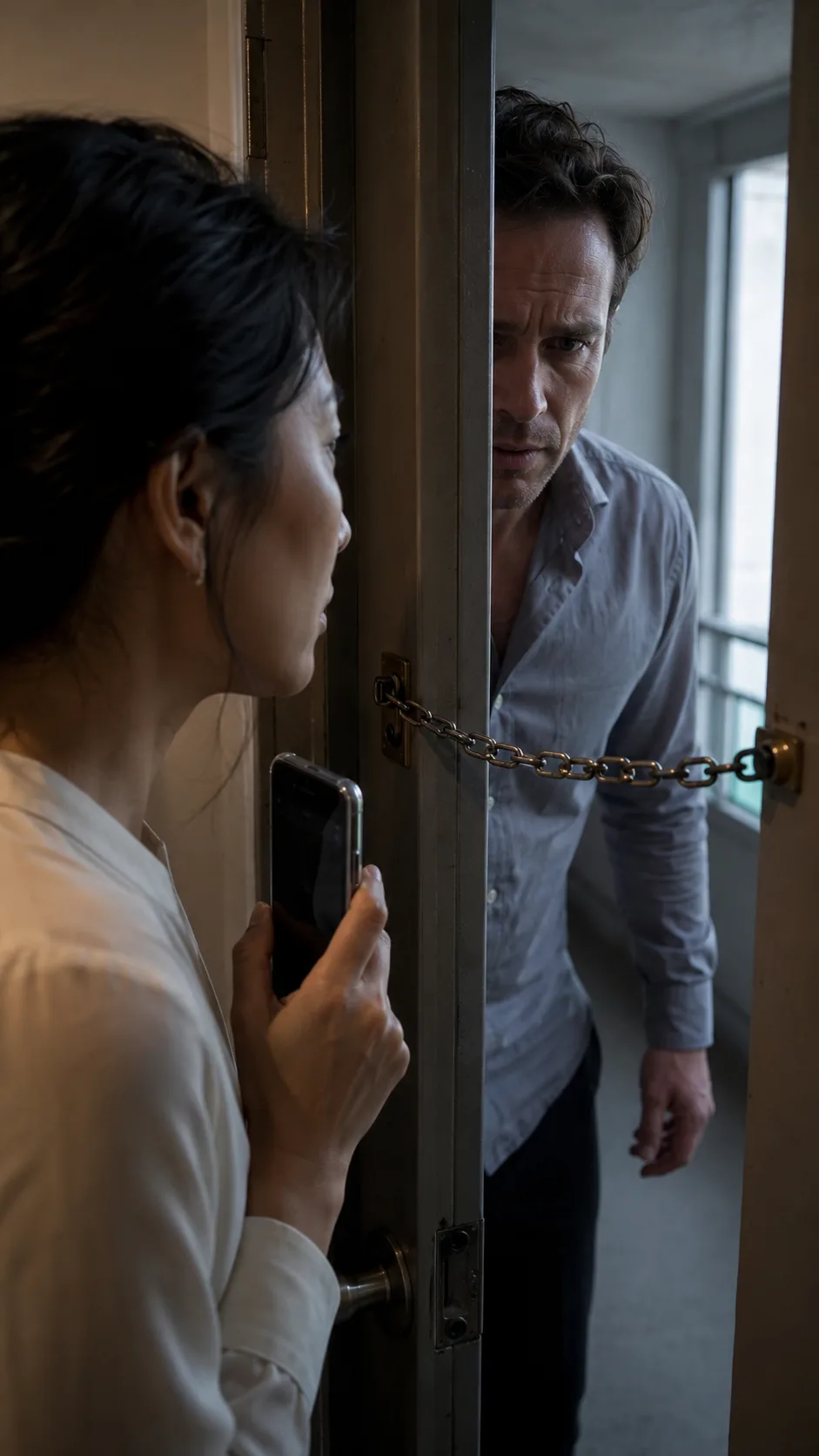
Marcus came to my apartment one last time. Not storming. Not shouting. That would have been easier. He arrived on a gray Thursday afternoon in a plain black sedan, not the sports car. I saw him through the peephole before he knocked. He stood in the hallway with his hands at his sides, wearing a wrinkled button-down shirt and no watch.
No watch.
For Marcus, that was practically naked.
I did not open the door.
“Leave,” I said through it.
“Nora.”
His voice was different. Lower. Frayed.
“You are violating the order.”
“I’m not here to threaten you.”
“You’re here. That is the violation.”
He leaned closer to the door. I could hear his breathing.
“I need five minutes.”
“No.”
“My company is dying.”
I closed my eyes.
Behind me, Lily’s bedroom door was shut. She was at school, thankfully, but her room still held her presence: the blue blanket folded on the bed, colored pencils on the desk, stuffed animals lined up by importance.
“What do you want?” I asked.
“A statement.”
I laughed before I could stop myself.
There it was.
Not apology. Not remorse.
Public relations.
“A statement saying what?”
“That the incident with Lily was a family misunderstanding. That you don’t believe I’m dangerous. That the business allegations are separate.”
“They are separate,” I said. “You’re bad at more than one thing.”
He hit the door with his palm.
I stepped back.
“Nora, please.”
The please sounded painful coming out of him, like his mouth did not know the shape.
I took out my phone and started recording.
“Say what you did to Lily.”
Silence.
“If you want my help, say it.”
He breathed hard.
“I overreacted.”
“No.”
“She took something.”
“No.”
“I didn’t mean to hurt her.”
I thought of Lily on the marble floor. His curled hand. His annoyed face.
“Say it.”
He was quiet so long I thought he had left.
Then, barely audible, he said, “I hit her.”
My throat tightened.
“And?”
“And I shouldn’t have.”
The words should have meant something.
They did not.
Maybe because they came too late. Maybe because they came through a door he had no right to stand outside. Maybe because he was saying them to save his company, not to heal my child.
“Now say why.”
He did not answer.
“Say she was a child and you thought she was beneath you.”
“That’s not fair.”
I almost smiled.
“No, Marcus. What happened to Lily wasn’t fair. This is just uncomfortable.”
His voice changed then. The old Marcus broke through.
“You always wanted me humbled.”
“There it is.”
“You always hated that I made something of myself.”
“I helped you make it.”
He scoffed.
“You answered some emails.”
I opened the door chain but kept the deadbolt locked, cracking the door just enough to look at him.
He looked bad. Not poor. Not ruined. But diminished. His eyes were bloodshot, stubble on his jaw, hair unstyled. Without the watch, without the house lighting, without people orbiting him, he looked like a man who had mistaken money for structure and discovered he had no bones.
“You think I don’t remember?” I said.
He looked away.
“I remember the vendor packets. The proposal deadlines. The compliance forms. The nights you came to my apartment because you didn’t understand a bid requirement. I remember you calling me brilliant until you could afford to call me bitter.”
His mouth tightened.
“I paid you.”
“You bought me dinner twice.”
He had no answer.
That was the closest I came to enjoying any of it.
Then he said, very softly, “If the license doesn’t get reinstated, I lose everything.”
I looked at him through the narrow gap.
“Lily asked me if she could stop being family.”
His face flickered.
Good.
“She asked if healing means it didn’t happen. She asked if she had done something wrong. That is what you gave her over a piece of chocolate.”
He swallowed.
“I said I was sorry.”
“No. You said words near an apology because your life got expensive.”
His eyes hardened.
“You’re really not going to help me?”
“No.”
“I’m your brother.”
“Not anymore.”
The hallway went silent. Somewhere upstairs, a washing machine thumped through a spin cycle. Ordinary noise. Ordinary life. The kind I had fought to protect.
“I will never make Lily stand near you so you can feel forgiven,” I said. “I will never tell the world you are safe when you are not. I will never clean up your mess again.”
He stared at me.
“You’ll regret this.”
I closed the door.
Then I called Officer Morgan and reported the violation.
Because I was done treating threats as conversation.
Marcus was picked up later that day for violating the protective order. He was released, of course. Men like him often are. But there was another record now. Another date. Another official piece of paper saying what he had done.
Two weeks later, Bennett Supply failed its administrative hearing. The temporary suspension became a longer operational restriction. Several contracts terminated automatically. Insurance premiums spiked. One investor sued. Payroll shrank. The warehouse closed “temporarily,” which everyone knew meant workers were clearing out lockers and pretending not to cry.
Marcus sold the sports car first.
Then the house went on the market.
My mother called from an unknown number the day the listing appeared.
“Are you satisfied?” she asked.
I was standing in my kitchen, spreading peanut butter on toast for Lily’s after-school snack.
“No.”
My mother inhaled sharply.
“You destroyed your brother.”
“He did a lot of the work himself.”
“Family forgives.”
“Then forgive him for losing the house.”
I hung up.
My hands shook afterward, but less than before.
That evening, Lily came home with a certificate for reading twenty books. We put it on the fridge with a purple magnet shaped like a cat. She smiled proudly, one front tooth slightly loose, her cheek completely healed.
No bruise.
But not erased.
That night, as she slept under her blue blanket, my phone buzzed one more time.
Dana.
Final hearing tomorrow. Ethan wants to speak.
I stared at the message.
My daughter was safe.
Now another child was ready to tell the truth.
Ethan spoke in chambers, not open court. That was better. He was nine, and no child should have to place their fear on display for adults who had failed to prevent it.
Dana called me afterward from her car. I could hear rain hitting her windshield, fast and hard.
“He told the judge Marcus scares him,” she said.
Her voice broke on the word scares.
I sat on my kitchen floor because my legs suddenly felt unreliable. Lily was at school. The apartment smelled like coffee and the banana bread Helen had forced me to take home from the office. Outside, traffic hissed through wet streets.
“What happened?” I asked.
“Supervised visitation stays. Mandatory anger management. Parenting classes. No overnight visits until further review.”
I closed my eyes.
“Good.”
“Ethan also told the judge about Lily.”
My throat tightened.
“He did?”
“He said he told Lily she could have the chocolate and his dad hit her anyway. He said he thinks about it at night.”
I pressed my hand over my mouth.
Poor Ethan. Poor Lily. Poor every child born near adults who call control love.
Dana cried then, not loudly, just the quiet broken kind that comes from holding yourself together too long.
“I should have left sooner,” she said.
I looked at the cheap kitchen tile beneath me, one corner cracked from when I dropped a pot years ago.
“Maybe,” I said.
She went silent.
I added, “But you’re leaving now.”
“I don’t deserve how kind you’re being.”
“I’m not being kind. I’m being accurate.”
She laughed weakly.
That became the phrase of the year.
Accurate, not kind.
Accurate, not cruel.
Accurate, not bitter.
My brother’s life kept shrinking. The house sold under pressure. My parents insisted it was a strategic downsizing. Marcus moved into a condo downtown, though Dana heard through Ethan that he called it temporary. Bennett Supply survived in name but not in spirit. The municipal contracts were gone. Two private clients sued over delayed deliveries tied to the suspension. The local business community did not exile him completely, but they stopped clapping.
For Marcus, that may have hurt most.
He could survive fines. He could survive legal bills. He could even survive selling things.
But indifference?
That cut him.
At the next charity gala, he was not on stage. I know because Carol sent me a photo—not cruelly, just with the caption, Interesting.
My father stood near a table with my mother, both smiling too hard. Marcus was in the background, half turned away while two men spoke to each other around him as if he were a coat rack.
The golden child had become background.
I did not celebrate.
But I did exhale.
Lily changed too. Not all at once. Trauma does not leave because consequences arrive. For a while, she flinched when adults raised their voices. She asked before taking snacks at friends’ houses. Once, at a birthday party, another child offered her a wrapped candy, and Lily looked at me from across the room, frozen.
I walked over, knelt beside her, and said, “You can say yes or no. You are not in trouble either way.”
She took the candy.
Then she put it in her pocket.
Later, at home, she ate it slowly while sitting beside me on the couch.
“It tasted like regular chocolate,” she said.
I smiled.
“Most chocolate does.”
She leaned against me.
“Imported just means it traveled?”
“Pretty much.”
“That’s dumb.”
I kissed her hair.
“Yes.”
We kept going to counseling. We made new rules for our lives. No surprise visits from relatives. No guilt visits. No events where Lily’s safety depended on other people behaving better than their history suggested. My parents hated this. They sent cards. Gifts. A dollhouse that probably cost more than my monthly grocery budget. I returned every package unopened. My mother left voicemails from blocked numbers, voice trembling.
“You’re punishing us.”
No.
I was protecting us.
That difference mattered, even if they never learned it.
One Saturday afternoon, Lily and I went to a small chocolate shop near the river. She had asked to go after seeing it from the car for weeks. I hesitated at first, then realized avoidance was another kind of cage.
The shop smelled like cocoa, sugar, and roasted nuts. Glass cases displayed truffles in neat rows, each one more beautiful than practical. Lily pressed her nose close to the glass.
“Can I pick one?”
“Yes.”
“Any one?”
“Any one.”
She chose a milk chocolate square with sea salt. The woman behind the counter placed it in a tiny paper bag and smiled.
Lily held it carefully all the way to a bench outside.
“Do I have to share?” she asked.
“No.”
“Can I?”
“If you want.”
She broke off a small corner and handed it to me.
I ate it.
It tasted like salt and sweetness and something returning.
Lily took her bite, closed her eyes, and smiled.
That was when my phone buzzed.
A message from an unknown number.
I expected my mother. Maybe Marcus. Maybe another threat wearing regret.
Instead, it was from my father.
Your brother is leaving Texas. Your mother is unwell. You’ve made your point. Come home.
I looked at the words, then at Lily licking melted chocolate from her thumb.
Come home.
As if home had ever been a place where we were safe.
I deleted the message.
Then I blocked the number.
Lily looked up. “Bad text?”
“Old text,” I said.
She nodded like that made sense.
Maybe it did.
Some people belong to the past because that is the only place they still have power.
The happiest ending did not look like Marcus begging. It did not look like my parents admitting they had failed me or failed Lily. It did not look like a dramatic public apology, a family dinner full of tears, or some late-life realization that blood means nothing without safety.
None of that happened.
Marcus moved to Dallas six months after the hearing, though he told people it was for “market expansion.” Bennett Supply was sold in pieces to a competitor. He kept some money, I’m sure. Men like Marcus rarely fall all the way through the floor. But he lost the image. The house. The unchecked admiration. The easy assumption that every room belonged to him.
My parents followed him emotionally, if not physically. They stayed in Austin, but they stopped calling from new numbers after Marisol sent a formal cease-and-desist letter. My mother still mailed birthday cards to Lily for two years. I returned the first three. After that, I shredded them.
People ask if that was harsh.
Those people did not see my daughter sitting on marble, asking what she had done wrong.
I did not forgive them.
I did not forgive Marcus.
Not because I woke up angry every day. I did not. Anger eventually became too heavy to carry everywhere. But forgiveness, the kind people demand from victims, often feels like handing unsafe people a visitor pass back into your life.
No.
They could be sorry somewhere else.
They could grow somewhere else.
They could tell themselves whatever story helped them sleep.
My job was not to redeem them.
My job was Lily.
A year after the party, we moved. Not because Marcus knew where we lived, though that was part of it. Not because our apartment was terrible, though the kitchen drawer still stuck and the upstairs neighbor had taken up midnight exercise videos. We moved because I had finally saved enough for a small rental house with a patch of yard, a yellow front door, and a kitchen window that looked out over a crepe myrtle tree.
Lily called it “the sunshine house.”
The first night there, we ate pizza on the living room floor because the table had not arrived. Boxes stood everywhere. Marmalade, the cat we adopted after moving, hid inside an empty laundry basket and glared at us like we had betrayed him.
Lily held up her slice and said, “To no marble floors.”
I tapped my soda can against her juice box.
“To no marble floors.”
She giggled.
The house smelled like cardboard, tomato sauce, and fresh paint. It was not fancy. The hallway light flickered. The bathroom sink had a rust stain. The backyard fence leaned slightly to the left.
It was ours in every way that mattered.
I expanded my freelance work into a real bookkeeping and compliance support business for small contractors. Priya referred my first three clients. Helen let me use her office printer until I could buy my own. Dana sent two business owners my way. Within eighteen months, I left my second job.
I did not become rich.
That was not the point.
I became stable.
There is a quiet dignity in paying bills from money no one can use to control you.
Lily healed in visible and invisible ways. She stopped asking if she had to ask before eating snacks at home. She started inviting friends over. She began correcting adults who joked too roughly.
“Hands are not for hurting,” she told a boy’s father once after he playfully smacked the back of a chair too close to her. He apologized immediately, embarrassed but kind.
I was proud enough to float.
At ten, Lily gave a school presentation about courage. She did not mention Marcus by name. She stood in front of her class wearing a yellow sweater and said, “Courage is telling the truth even if the person who did wrong is bigger than you.”
Her teacher sent me the video.
I watched it three times in my parked car and cried so hard a woman walking a dog asked if I needed help.
I told her no.
Then yes.
Then we both laughed because grief is strange.
Five years after the chocolate bar, Lily and I walked past a luxury grocery store downtown and saw a display of imported chocolates stacked like treasure near the window.
Lily stopped.
She was thirteen by then, all long legs, quick wit, and eyeliner she insisted was subtle when it absolutely was not. She looked at the display, then at me.
“Can we buy the most ridiculous one?”
I laughed.
“Define ridiculous.”
She pointed to a gold box priced at thirty-eight dollars.
“That one looks emotionally unstable.”
We bought it.
Outside, we sat on a bench and opened the box. The chocolates were tiny, glossy, arranged in paper cups like they thought very highly of themselves. Lily picked one, sniffed it, and made a face.
“Smells like rich people furniture.”
I nearly choked laughing.
She bit into it, considered, then shrugged.
“Mid.”
I took one too.
She was right.
It tasted like expensive disappointment.
We sat there in the late afternoon sun, sharing overpriced chocolate from a gold box neither of us needed permission to touch. Cars moved along the street. People passed with shopping bags and iced coffees. The world did not know what this moment meant.
That was fine.
Not every victory needs witnesses.
Lily leaned her head briefly on my shoulder.
“Do you ever miss them?” she asked.
I knew who she meant.
I looked at the chocolate box between us.
“I miss the family I wished they were.”
She nodded.
“Me too. But not the real ones.”
“No,” I said. “Not the real ones.”
She sat up and offered me another chocolate.
This one had sea salt on top.
“Here,” she said. “For real family.”
I took it.
The words went straight through me.
Real family.
Not the people who share your blood and call it ownership. Not the people who measure your worth against their image. Not the ones who stand silent while a child gets hurt and then ask you to keep things quiet.
Real family protects.
Real family tells the truth.
Real family does not make love a test you can fail over chocolate.
Marcus once thought power was a house with marble floors, a watch under bright lights, and parents who clapped no matter what he did. My parents thought power was choosing the golden child and expecting me to stay grateful for scraps.
They were wrong.
Power was my daughter laughing in sunlight with no fear in her eyes.
Power was a police report, a saved screenshot, a witness statement, a woman with copies, an aunt who finally looked at the truth, a mother who refused to be civil while her child was harmed.
Power was walking away and staying gone.
That night, back at the sunshine house, Lily left the gold chocolate box on the kitchen counter. Marmalade sniffed it, judged it, and walked away.
I stood in the doorway watching my daughter disappear down the hall, humming to herself. Her blue blanket, faded now and too small, was folded at the foot of her bed.
I touched it once before turning off the light.
“No one will ever make you feel small for taking what was freely offered,” I whispered, though she was already in the bathroom brushing her teeth.
Maybe I said it for her.
Maybe I said it for the little girl I had been.
Maybe I said it for every mother who has ever been told to calm down when calm was just another word for surrender.
The night my brother hit my daughter over a chocolate bar, I stopped being his sister.
But I became something stronger.
I became the wall between my child and the people who thought love meant access.
And I never moved.